Insights
Electrical Safety in Schools: What Facility Managers Need to Know
Schools depend on electricity every minute of the day. From classroom lighting and HVAC systems to security, technology, and emergency systems, electrical infrastructure plays a major role in how a school functions. For facility managers, understanding the connection between electrical safety, engineering, and building design is crucial for protecting students, staff, and long-term investments.
Safety Starts with Smart Electrical Design
Electrical safety in schools begins long before a building opens its doors. Engineers design systems to handle current and future power demands while reducing risk. This includes properly sized electrical panels, clear equipment spacing, and layouts that allow safe access for maintenance. When systems are overloaded or installed without room to grow, problems such as overheating, breaker failures, and outages become more likely.
Good design also separates critical systems from everyday electrical loads. Emergency lighting, fire alarms, and security systems are often placed on dedicated circuits and are backed by generators or battery systems. This allows these systems to remain operational during power disruptions, which is critical in a school setting.
Understanding Common Electrical Risks
Many electrical safety issues in schools come from aging infrastructures. Older buildings may rely on outdated wiring, undersized panels, or equipment that no longer meets current codes. These conditions can increase the risk of arc faults, short circuits, and unexpected shutdowns.
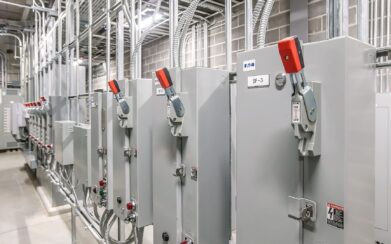
Another common concern is accessibility. Electrical rooms that are cluttered or used for storage can slow emergency response and make routine inspections difficult. From an engineering standpoint, these rooms are designed to remain clear, well-lit, and properly ventilated to support safe operation.
Maintenance and Inspection Matter
Even a well-designed electrical system requires regular attention. Facility managers play a major role in spotting warning signs early. Flickering lights, warm outlets, tripped brakers, or unusual sounds from electrical equipment should never be ignored. These issues often indicate deeper systemic problems that require professional review.
Engineers also recommend routine inspections of switchgear, panels, and grounding systems to make sure they are in proper working condition. These checks help confirm that connections remain secure and that safety devices will work as intended. Preventive maintenance can reduce downtime and help avoid costly emergency repairs.
Planning for Change and Growth
As schools continue to add technology, from classroom devices to advanced security and communication systems, the demand on electrical systems keeps growing. Engineers account for this by designing flexible infrastructures that allow schools to adapt over time without compromising safety. When facility managers involve electrical engineers early in the planning process for renovations or upgrades, they can reduce the risk of costly surprises, support safer installations, and achieve better long-term performance.
Electrical safety in schools is not just about compliance. It is about thoughtful design, proactive maintenance, and planning for the future. When engineering and facility management teams work together, schools become safer, more reliable places to learn.