Insights
Common Mechanical, Electrical, and Plumbing Issues and How Smart Engineering Helps Avoid Them
Mechanical, electrical, and plumbing (MEP) systems quietly support nearly everything that happens inside a building. When these systems work well, they go unnoticed. When they do not, the results can include uncomfortable spaces, frustrated occupants, wasted energy, and expensive repairs. Many MEP problems show up not because of poor products, but because of planning and coordination gaps during design or construction.
Below are some of the most common MEP issues engineers encounter and practical ways they can be avoided.
Mechanical Issues: Comfort and Performance Challenges
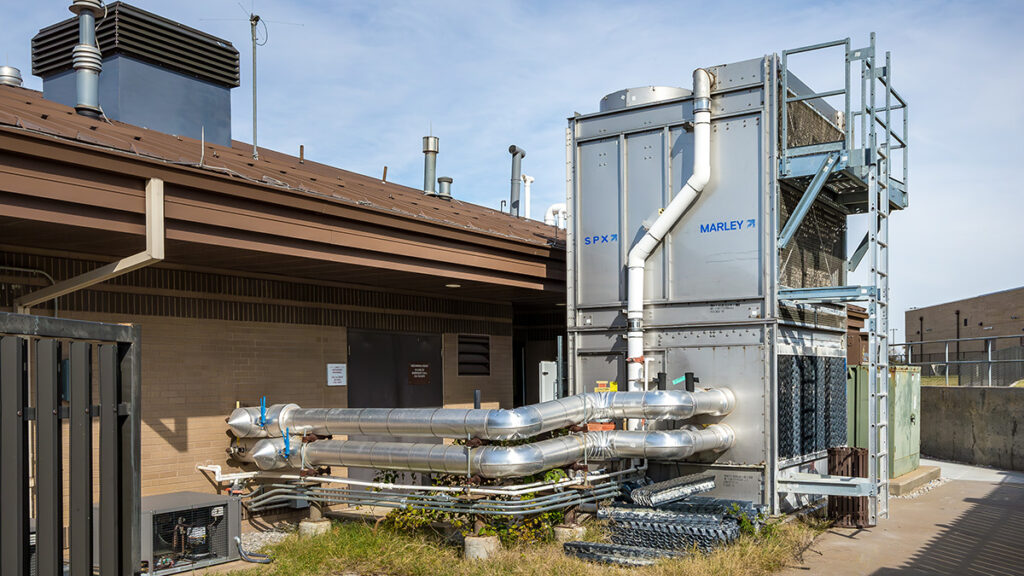
Mechanical systems are the ones designed to move fluids around a building. That includes heating, cooling, fire protection, and more. When problems arise, occupants feel them almost immediately.
Equipment that is improperly sized
One of the most frequent mechanical issues is equipment that is either too large or too small for the space. For example, an oversized air conditioner in an office building may cool rooms quickly but shut off before removing enough humidity. This leaves the space feeling cold and damp. On the other hand, undersized units may run constantly without ever reaching a comfortable temperature. Proper load calculations during design help match capacity to real building needs.
Poor air distribution
Even when equipment is sized correctly, uneven airflow can make some rooms uncomfortable for occupants. A common example is a conference room that feels stuffy while nearby offices feel fine. This often happens when duct layouts do not account for how spaces will be used. Engineers who coordinate closely with architects can adjust duct placement and airflow rates so fresh air reaches every occupied space.
Limited access for maintenance
Mechanical equipment needs regular service. Problems can arise when units are placed above ceilings or in tight spaces without room for technicians to work. Over time, skipping maintenance leads to breakdowns. Thoughtful layout during design creates clear access points, reducing repair costs and extending the life of the systems.
Electrical Issues: Safety and Reliability Risks
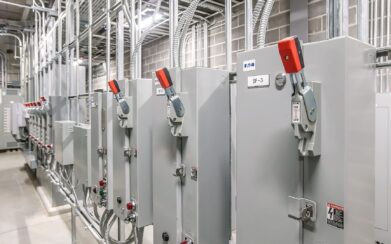
Electrical systems power everything from lighting to critical equipment. Mistakes here can affect everything from daily operations to on-site safety.
Overloaded electrical panels
As buildings evolve with technology, more devices get plugged in. For example, a medical clinic may add imaging equipment, or an office may expand its technological needs. If the original electrical design did not account for future growth, electric
al panels could become overloaded. Engineers plan for extra capacity so buildings can adapt without disruptive upgrades later.
Poor lighting design
Lighting that is either too harsh or too dim can affect occupant comfort and productivity. For instance, a warehouse with uneven lighting can create safety concerns, while an office with excessive glare can strain employees’ eyes. Engineers use lighting calculations and layout strategies to provide appropriate illumination for the specific function of each area.
Inadequate grounding and protection
Power surges and outages happen, often when we least expect it. Without proper grounding and protective devices, sensitive equipment can be damaged. A good example is a server room without surge protection, where a single power event can cause costly downtime. Electrical engineers design systems that protect critical equipment and support continuous operation.
Plumbing Issues: Hidden Problems with Visible Impacts
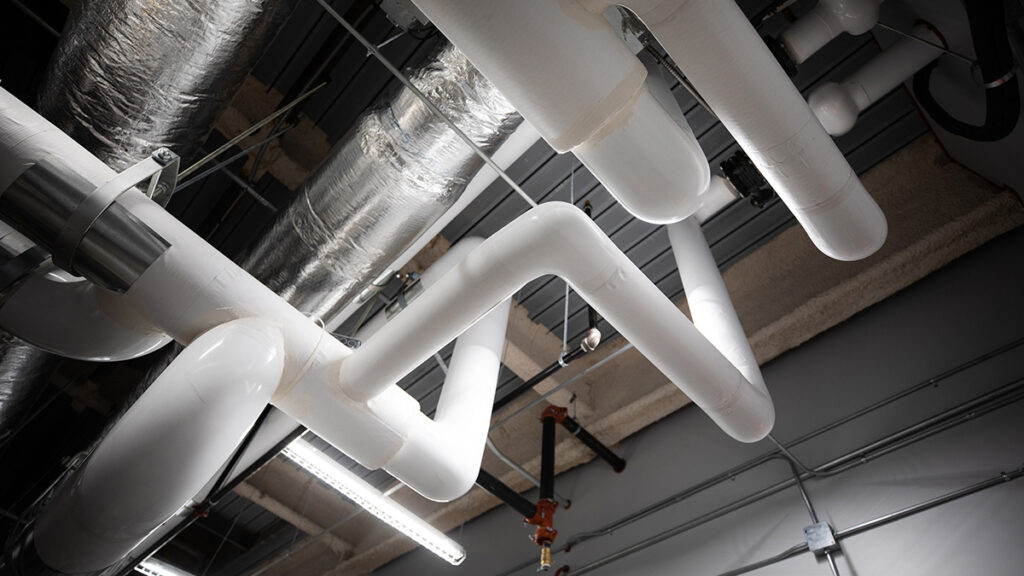
Plumbing systems are often out of sight, but failures quickly become noticeable.
Poor drainage design
Slow drains or frequent backups often point to insufficient pipe slope or undersized piping. In places such as restaurants, this can disrupt operations during peak hours. Engineers analyze flow rates and layout early to support expected demand.
Water pressure problems
Low pressure on upper floors or overly high pressure at fixtures can damage plumbing components. A multi-story building may need pressure zones or booster systems to keep water flowing reliably at every level.
Lack of coordination with other systems
Conflicts between plumbing and structural beams or electrical pathways can lead to costly field changes. Early coordination among disciplines helps avoids last-minute rerouting that increases risk and expense.
Most MEP issues are not caused by a single mistake. They stem from missed coordination, rushed decisions, or designs that do not reflect how a building will be used. Engaging engineers early allows teams to identify challenges, test solutions, and design systems that support the long-term life of the project.