Insights
Mechanical Engineering – What Makes Buildings Work
Mechanical engineering is one of the most diverse sectors in the engineering world. It involves numerous types of equipment and systems that help make a building run, many of which people never even see. Simply put, mechanical engineering deals with the systems in a building that owners depend on constantly, but you never want them to have to think about.
Mechanical engineers design the systems that move air, water, waste, and gas around a building. This discipline creates a plan to transport those substances to their intended destinations, starting with the owner’s project requirements. This is what guides the project and informs the engineers of the necessary technical tasks. They will also evaluate what is required by local codes and do calculations as they design these systems.
Making Sense of Systems
Mechanical engineers often work closely with an architect, writing a report outlining their project goals and the necessary steps to achieve them. This allows the engineers to anticipate the kinds of systems and features they need. Let’s take a quick look at the essential systems involved in the process.
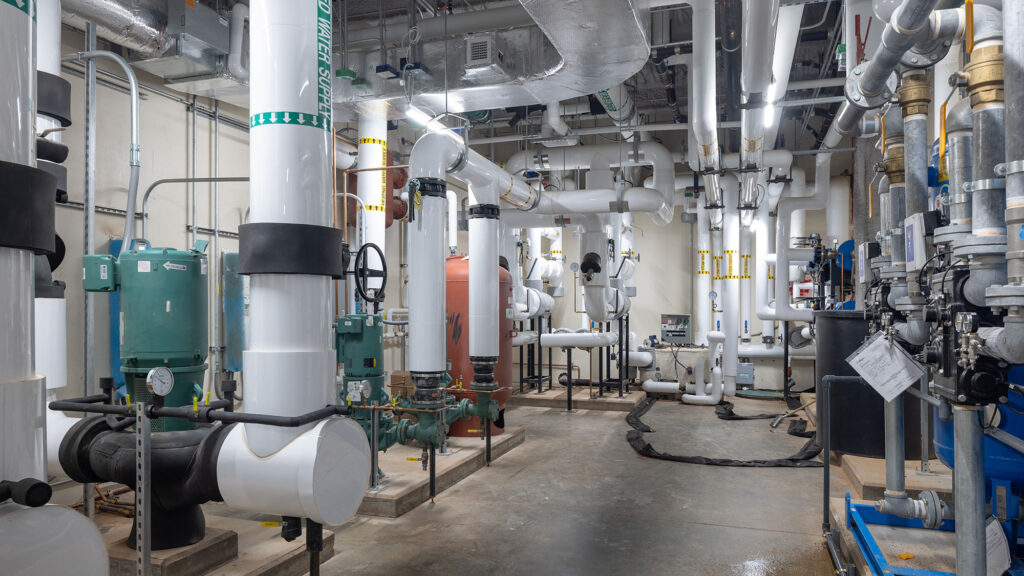
- Heating, Ventilation, and Air Conditioning: HVAC is the most prominent system in mechanical engineering because of its function in keeping a building comfortable for occupants. This system is responsible for maintaining temperatures, controlling humidity, and making sure the air in a building is free of pollution. Some of the essential equipment in HVAC systems include air units, fans, furnaces, boilers, and ductwork.
- Plumbing: Plumbing systems are responsible for handling clean water for drinking, sanitation uses, restrooms, waste, sewage, and sprinklers. These systems connect to utilities outside of the building, bringing civil engineering into these projects.
- Gas systems: Mechanical systems can dela with a variety of gases. This includes natural gas for heating, medical or laboratory gases, or gases for fuel. Some specialized buildings, such as laboratories or medical facilities, require in-depth, bespoke system designs.
- Conveyance: These systems involve moving people and products around a building and include equipment such as elevators and escalators.
The Engineer’s Role
With such a diverse range of systems and types of equipment involved in mechanical engineering, the engineer plays a few roles throughout the project process.
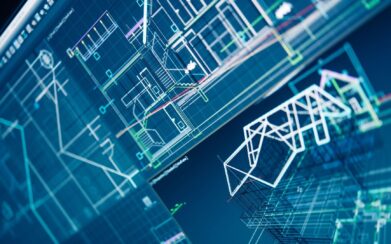
- Design: The primary responsibility of a mechanical engineer is to create detailed plans for all the required systems to meet the purpose of the building they are designing.
- System Integration: Engineers must make sure that the systems they design work out not only together, but in connection within the structure they are designed for.
- Compliance: Mechanical engineers ensure that their systems and designs meet all required building codes, regulations, and owner’s requirements.
The work of mechanical engineers is all around us in our day-to-day lives, even though most of the time we can’t see it. Everything from climate-controlled rooms and fire safety to hot water and more comes to us thanks to mechanical engineers.