
Insights
Materials Testing is Key to Long-Term Project Success
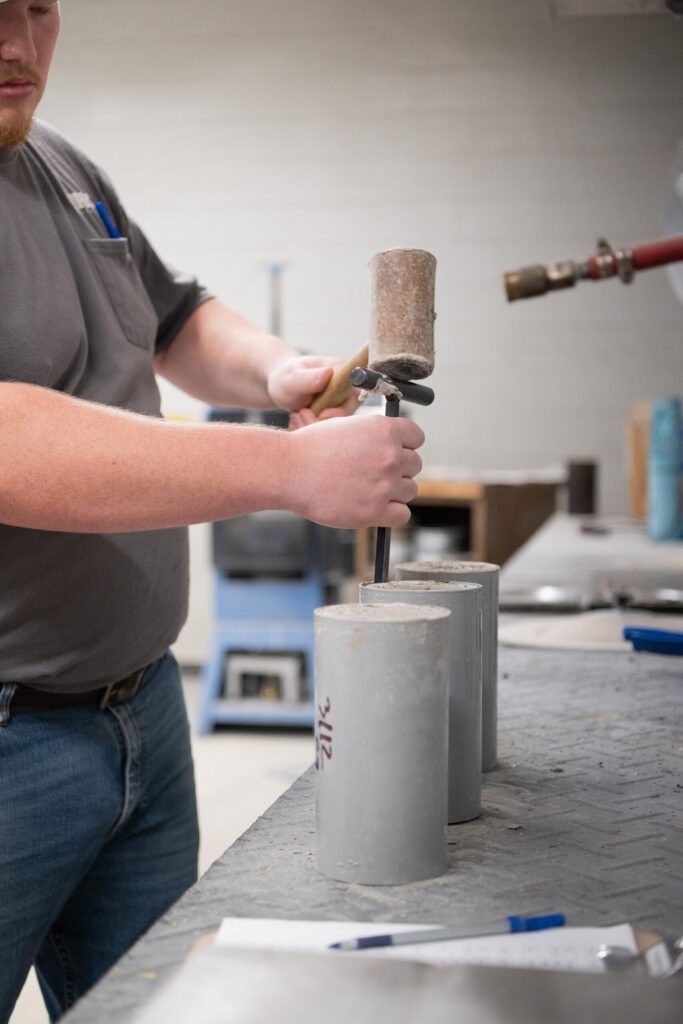
Setting a project up for success before it even begins is crucial. Materials testing is an essential part of that process. It provides projects with a solid foundation to build upon, which is why Professional Engineering Consultants (PEC) has provided quality testing and special inspections for more than 40 years.
What is Materials Testing?
Materials testing is the process of assessing the physical and mechanical properties of the components used in a construction project. The goal is to identify weaknesses and remove those materials while using only high-quality, durable materials to create the best possible project. Ensuring the long-term success and sustainability of any project begins with the precise data you get from testing the quality and performance of the materials involved.
What PEC Tests
The team at PEC tests all materials used in projects, ranging from buildings and vertical construction to transportation projects, including bridges, roads, and paving. Whether on-site or in the laboratory, we provide a full range of testing that includes:
- Asphalt
- CMU block
- Concrete
- Connections
- Grout
- Masonry
- Reinforcing steel
- Soil
- Structural steel elements
We test materials for projects in every sector, including commercial developments, state Department of Transportations, schools, hospitals, and many more. PEC also maintains the highest quality of testing. Our Wichita Field Services laboratory is accredited by the AASHTO Accreditation Program and the United States Army Corps of Engineers, which means our partners receive the most accurate results in the industry.
Importance of Materials Testing
The first reason materials testing is important is safety. Making sure only the highest quality, reliable materials are used while eliminating defects and consistencies helps limit potential failures or accidents. This keeps everyone safer during construction and keeps the public safer when the project is finished.
Second, materials testing helps maintain efficiency both in time and in cost. Using top-grade materials that have been tested and approved keeps projects running smoothly and on spec with fewer delays. By reducing the number of setbacks that could happen due to materials, projects stay on time with greater productivity and save costs.
Finally, materials testing is important to the longevity of the project. Properly rated and assessed materials last longer, standing up to outside forces like the environment, weather, and regular use. This